Things to Do in Cairo on a Short Visit: An Attraction-by-Attraction Guide
What to see in Cairo beyond the Pyramids, district by district: Islamic Cairo, Coptic Cairo, the Citadel, Khan el-Khalili, the Nile, food, shopping and what a short visit from Hurghada covers.
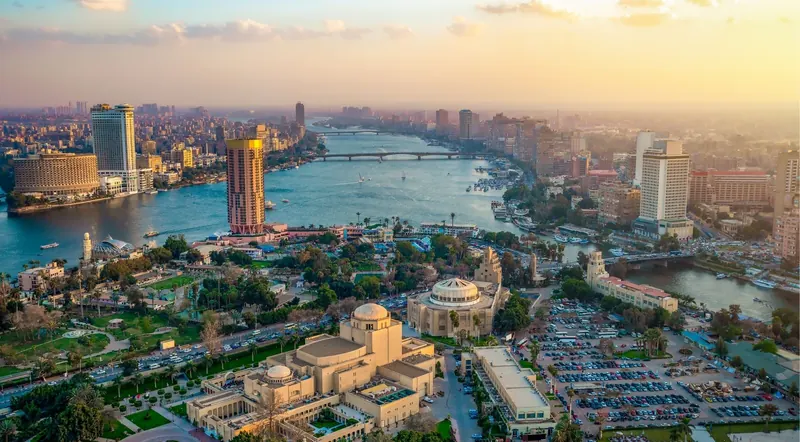
Cairo is a city you brace for, give in to, and then, almost always, fall for. The Pyramids are the reason most people come, but they are the smallest part of what the city is: a thousand years of Islamic architecture stacked along a single medieval street, the oldest churches in Egypt suspended over a Roman fort, a bazaar founded in the fourteenth century, and a food culture that visitors keep telling their friends about long after the temples blur together.
This guide covers what there is to see in Cairo and why each place earns a slot, attraction by attraction and organised by district. For when to see these places and in what order, read our companion piece, One Day in Cairo: A Realistic Itinerary, which handles sequencing, travel times and hour-by-hour planning.
A note for readers staying on the Red Sea: from Hurghada, a single day trip to Cairo realistically only covers the Giza cluster. The city itself, everything described below, is the reward for staying two or three nights. We cover that trade-off near the end.
If you have a day in the city itself, the Old Cairo Cultural Tour: Islamic & Coptic Old Sites + Lunch (from $71, rated 4.7★ by 1,073 travellers) covers the Citadel, Al-Muizz Street, Khan el-Khalili, the Hanging Church and Abu Serga with an Egyptologist guide, hotel pickup in Cairo or Giza, entry fees and lunch. Prices and inclusions change, so check the option you pick before you book.
First, What Cairo Feels Like
Nothing prepares you for the scale. Somewhere between 23 and 26 million people lived in the Cairo metropolitan area in 2025, depending on whose estimate you use (the UN’s 2025 urbanisation figures give about 25.6 million), and the city announces itself through your senses immediately: the near-permanent haze, the layered noise of horns and calls to prayer, the smell of grilled meat and diesel and jasmine, the constant motion. First-time visitors are often overwhelmed for the first few hours, and then, somewhere around the first glass of sweet tea in a shaded alley, the city starts to feel exhilarating.
Cairenes are, by and large, warm and quick to help, and touts and commission-hunters sometimes put that same friendliness to work. Learn how it plays out and you have little to fear (more below). Cross the road like a local (commit, move steadily, let the traffic flow around you), keep small banknotes in your pocket, and accept that a schedule in Cairo is a suggestion. Do that, and the city opens up.
Cairo divides into a handful of zones: Islamic (medieval) Cairo in the east; Coptic / Old Cairo to the south; Downtown and the Nile islands in the centre; and Giza across the river to the west. Here is the whole map, attraction by attraction.
Beyond the city’s mosques and bazaars, travellers from the coast book Giza Pyramids and Great Sphinx day tours, Grand Egyptian Museum visits, Saqqara and Dahshur excursions, Nile dinner cruises and felucca sails. Browse what runs on your dates below.
Islamic Cairo: The Medieval Heart
This is the biggest gap in most visitors’ plans, and the part of the city we would fight hardest to keep on any itinerary. Historic Cairo was inscribed as a UNESCO World Heritage Site in 1979, and the medieval core holds one of the greatest concentrations of Islamic architecture anywhere on earth. It is dense, atmospheric and largely free or cheap to wander.
Al-Muizz li-Din Allah Street
Al-Muizz Street is the medieval city’s spine, running roughly a kilometre from the northern gate of Bab al-Futuh to the southern gate of Bab Zuweila. Named after the Fatimid caliph who conquered Cairo in AD 969, it is often described as having the highest density of significant Islamic-era monuments in the world, with a run of buildings spanning the Fatimid, Ayyubid, Mamluk and Ottoman periods. It was pedestrianised for much of its length in 2008. By day it is a working commercial street of coppersmiths, lantern-makers, spice sellers and textile stalls; after dark, the restored northern section is floodlit and fills with Egyptian families strolling, one of the loveliest free evenings in the city.
Walk it slowly and you pass, among many others:
- The Qalawun Complex (completed 1285): a mausoleum, madrasa and hospital (bimaristan) built by Sultan al-Mansur Qalawun in the prestigious Bayn al-Qasrayn district on the ruins of the Fatimid palaces. Its 67-metre street façade and its soaring, richly decorated mausoleum mark it as one of the founding masterpieces of Mamluk architecture.
- The Mosque-Madrasa of Sultan Barquq (begun 1384): immediately adjacent, the funerary complex of the first Circassian Mamluk sultan, with a serene columned prayer hall.
- The Madrasa of al-Nasir Muhammad: next door to Barquq, completing one of the greatest continuous runs of Mamluk monumental architecture in existence.
- Bayt al-Suhaymi: a superb, restored seventeenth-century Ottoman-era merchant’s house tucked just off al-Muizz, laid out around a cool courtyard with mashrabiya screens; the best surviving glimpse of how wealthy Cairenes lived.
- The Sabil-Kuttab of Abdel Rahman Katkhuda (1744): an ornate Ottoman fountain-and-Quran-school that stands at a fork in the street.
- Al-Aqmar Mosque (1125): a small, jewel-like Fatimid mosque famous for its finely carved stone façade, one of the earliest of its kind.
At the northern end, Bab al-Futuh (Gate of Conquest) and Bab al-Nasr (Gate of Victory), both completed in 1087, anchor the old Fatimid walls. At the southern end, Bab Zuweila (completed 1092) is the showpiece: you can climb its twin minarets, added between 1415 and 1422 as part of the adjoining Mosque of Sultan al-Mu’ayyad, up a tight, dark spiral staircase for one of the finest rooftop panoramas of Islamic Cairo. It is not for the claustrophobic, but the view over the domes and minarets stays with you.
Khan el-Khalili
Cairo’s great bazaar branches off the southern end of al-Muizz around the Al-Hussein and Al-Azhar mosques. It was founded in 1382, when the emir Jaharkas al-Khalili built a large khan (caravanserai) on the site of a former Fatimid cemetery during the reign of Sultan Barquq. More than six centuries later it is still a working market: a labyrinth of lanes historically organised by trade, with goldsmiths in one alley, coppersmiths in another, perfumers and spice-dealers in others.
The first stretch you hit, the lanes nearest the main squares, is largely tourist tat: mass-produced trinkets, pushy vendors and inflated opening prices. Push past it. The deeper lanes hold the genuine article: the copper workshops where you can watch trays being hammered, the spice souk, the gold quarter, and quieter specialist shops. At its heart sits El Fishawy, the city’s most famous coffeehouse, reportedly open since the eighteenth century and still run by the same family; mirrored walls, brass tables, mint tea and shisha, and a clientele that once included the Nobel laureate Naguib Mahfouz. Sit for an hour, sip tea, wave away the roving vendors with a quiet “la’, shukran”, and let the market flow past.
Al-Azhar Mosque and University
A short walk from the bazaar, Al-Azhar was founded in AD 970 as the congregational mosque of the new Fatimid city. Its affiliated university is one of the oldest continuously operating in the world and remains the foremost institution in Sunni Islam for the study of theology and law. Architecturally it is a palimpsest: a Fatimid core with Mamluk and Ottoman minarets and gates layered on over a millennium. The vast marble courtyard is open to respectful visitors outside prayer times and is free to enter, and it feels peaceful after the bazaar next door.
The Mosque of Ibn Tulun
South-west of the medieval core, in the Sayyida Zeinab district, stands the mosque that many Cairo lovers name as their favourite. The Mosque of Ibn Tulun, built between AD 876 and 879, is the oldest mosque in Cairo to survive in its original form (the older Mosque of Amr ibn al-As has been almost entirely rebuilt). Built of red brick faced in stucco and modelled on the Abbasid architecture of Samarra in Iraq, it is huge, austere and deeply serene: a vast open courtyard framed by simple arcades whose stucco carving rewards close attention. Its most distinctive feature is the spiral minaret with an external staircase, unique in Egypt, which you can climb for views across the rooftops to the Citadel.
Immediately beside it is the Gayer-Anderson Museum, two beautifully preserved sixteenth- and seventeenth-century houses combined and furnished by a British officer and collector in the 1930s. It is an atmospheric warren of courtyards, screened galleries and Orientalist interiors, usually entered on a combined ticket with the mosque.
The Citadel of Saladin
Dominating the skyline from the Mokattam Hills, the Citadel was begun by Saladin (Salah al-Din) in 1176 as a fortress against the Crusaders, and it served as the seat of Egyptian government for nearly seven hundred years, until the khedives moved to Abdin Palace in the nineteenth century. It is a walled complex you can spend a half-day in, holding several distinct attractions:
- The Mosque of Muhammad Ali (built 1830–1848), the “Alabaster Mosque,” is the one you have seen in photographs: a great Ottoman-style mosque with a cascade of domes and towering pencil minarets, its interior hung with chandeliers. It is architecturally more Istanbul than Cairo, and its terrace gives the classic panorama across the city to the Pyramids on a clear day.
- The Mosque of al-Nasir Muhammad (early fourteenth century), a Mamluk mosque with a columned courtyard, older and more restrained.
- The Sulayman Pasha Mosque, the Citadel’s first Ottoman mosque.
- Several museums, including the National Military Museum (housed in a former Muhammad Ali palace), the Police Museum, and the Royal Carriages Museum, plus the Al-Gawhara (Jewel) Palace of 1814.
The view alone justifies the climb; the mosque and the sense of standing in the fortress that ruled Egypt for centuries are the bonus.
Sultan Hassan and Al-Rifa’i Mosques
At the foot of the Citadel, facing each other across a square, stand two of Cairo’s most monumental mosques. The Mosque-Madrasa of Sultan Hassan (built 1356–1363) is the crown of Mamluk architecture: colossal in scale, sometimes called “Egypt’s fourth pyramid,” with a soaring entrance portal and a cruciform courtyard that once taught all four Sunni schools of law. Directly opposite, the Al-Rifa’i Mosque was built between 1869 and 1912 in a deliberately matching neo-Mamluk style; it is the royal mausoleum of modern Egypt, holding the tombs of Khedive Ismail, King Farouk, and the last Shah of Iran. Seen together, they compress six centuries of architectural history into a single glance.
Al-Azhar Park
For a break from the stone and the crowds, Al-Azhar Park is one of the great modern urban-renewal stories anywhere. On the eastern edge of the medieval city, on a 30-hectare (74-acre) site at Darassa that had been used as a rubbish dump for some five hundred years, the Aga Khan Trust for Culture created a formal Islamic garden, a US$30 million project funded by a grant from Aga Khan IV. Building it meant shifting some 1.5 million cubic metres of rubble and soil (the equivalent of more than 80,000 truckloads) and, in the process, uncovering a 1.5-kilometre stretch of the twelfth-century Ayyubid city wall that had been buried up to its battlements, excavated to a depth of 15 metres. It opened in 2005. Today it is a green lung of lawns, water channels, palm avenues and hilltop restaurants, with sweeping views back over the domes and minarets of Darb al-Ahmar toward the Citadel. Sunset here is spectacular.
The City of the Dead: a sensitive note
North and south of the Citadel lie the Northern and Southern Cemeteries, together the “City of the Dead”: a centuries-old necropolis of mausoleums, some of great Mamluk beauty, that is also a living neighbourhood where families have lived among the tombs for generations. It is fascinating, but treat it as an inhabited residential and religious space, not a spectacle, and ideally visit with a knowledgeable local guide.
It also comes with a live controversy. Since 2020, and intensifying through 2024, the government has demolished parts of the cemeteries to build new highways, including the Al-Ferdaous axis, provoking a significant outcry from heritage experts and residents; the demolition of the area around the historic Mausoleum of Imam al-Shafi’i in October 2024 drew particular anger. The situation remains fluid, and access and what survives can change month to month, so check current conditions locally before planning a visit.
Coptic Cairo (Old Cairo)
A short ride south of Downtown, reached easily via the Mar Girgis metro station on Line 1, Coptic Cairo is the historic Christian quarter, built in and around the walls of the Roman Fortress of Babylon. It is the heart of the Coptic Orthodox Church, one of the oldest continuous Christian traditions in the world, and it packs an enormous amount of history into a compact, walkable, largely pedestrian area. Two to three hours covers it comfortably. Dress modestly, and photograph respectfully: these are active places of worship.
The Hanging Church
Saint Virgin Mary’s Coptic Orthodox Church, universally called the Hanging Church (Al-Mu’allaqah), is the quarter’s showpiece. It sits atop the southern gatehouse of the Roman fortress, so its nave is literally suspended above the old gate passage. It is one of Egypt’s oldest churches, with roots stretching back many centuries and a wooden roof in the shape of Noah’s Ark. A glass floor panel lets you look down onto the Roman masonry below. For centuries it was the seat of the Coptic Patriarch.
The Church of St Sergius and Bacchus (Abu Serga)
One of the oldest churches in Cairo, Abu Serga stands over a crypt that Coptic tradition holds to be one of the places where the Holy Family sheltered during their flight into Egypt, a belief that makes it a major pilgrimage site. The basilica-plan interior, with its ancient columns and inlaid screens, sits above the barrel-vaulted crypt.
The Ben Ezra Synagogue and the Cairo Geniza
Tucked behind the Hanging Church, the Ben Ezra Synagogue is the oldest in Egypt, on a site that was originally a church sold to the Jewish community in the ninth century. Its fame rests on the Cairo Geniza: a storeroom in which the community deposited worn-out documents for roughly a thousand years, on the principle that anything bearing the name of God should not be destroyed. When Western scholars reached it in the late nineteenth century, they found hundreds of thousands of manuscript fragments: religious texts, but also merchants’ letters, contracts, shopping lists and personal correspondence, which have transformed what historians know about medieval Mediterranean life. Most of the collection is now held at Cambridge University. The synagogue itself is preserved as a monument and is no longer an active place of worship.
The Coptic Museum and the Mosque of Amr ibn al-As
The Coptic Museum, within the fortress walls, holds the world’s finest collection of Coptic Christian art: textiles, icons, woodwork, manuscripts and carved stone. Nearby stands the Mosque of Amr ibn al-As, founded in AD 641 as the first mosque in Egypt and in Africa; almost nothing of the original structure survives, but the site marks the arrival of Islam on the continent.
The Nile and Modern Cairo
The Nile Corniche, feluccas and cruises
The Nile is Cairo’s other great axis, and the Corniche, the riverside road and walkway, is where the city comes to breathe, especially in the cool of the evening. The classic Nile outing is an hour under sail on a felucca, the traditional lateen-rigged boat, which you can hire (with a boatman) near the Corniche; it is cheap, slow and a relief from the traffic. To book one ahead, the Cairo private felucca ride with dinner and drinks (from $34, rated 4.8★ by 482 travellers) adds a meal on board. In the evening, dinner cruises with live music and a dance show are a popular option; the Opal Nile dinner cruise with live entertainment (from $34, rated 4.7★ by 402 travellers) is the best-reviewed of the ones we checked.
Zamalek and the Cairo Tower
Zamalek occupies the northern half of Gezira Island in the middle of the Nile, and it is Cairo’s most cosmopolitan district: leafy, relatively calm, dotted with embassies, art galleries, bookshops, boutiques and some of the city’s best restaurants and cafés. At its southern end rises the Cairo Tower, a 187-metre tower built between 1956 and 1961 to a design by the Egyptian architect Naoum Shebib in the stylised shape of a lotus; it was the tallest structure in Egypt for 37 years, until 1998. Its observation deck (and a revolving restaurant) gives 360-degree views over the river and, on a clear day, out to the Pyramids. Late afternoon usually has the clearest air.
Downtown Cairo (Wust el-Balad)
Laid out in the 1860s under Khedive Ismail as a deliberate “Paris on the Nile,” Downtown is Cairo’s Belle Époque quarter: grand boulevards radiating from roundabouts, ornate wrought-iron balconies and faded Art Deco cinema fronts. Its focal point is Talaat Harb Square, with the statue of the banker Talaat Harb at its centre. This is the home of the historic cafés: Café Riche, open since 1908 on Talaat Harb Street, a haunt of revolutionaries during the 1919 uprising and later of Naguib Mahfouz’s literary circle; and Groppi, the once-legendary tearoom and patisserie. Much of Downtown’s architecture is worn, but an ongoing regeneration drive has been restoring façades and pedestrianising streets, and it remains the best part of the city for an aimless architectural wander.
Garden City, Maadi and Heliopolis
Three more districts to know by name. Garden City, just south of Downtown along the river, is an elegant early-twentieth-century enclave of curving, tree-shaded streets and villas. Maadi, further south, is a green, low-rise suburb popular with expatriates, full of cafés and quiet streets. Heliopolis, to the north-east, was built from scratch in the early twentieth century by the Belgian baron Édouard Empain in a distinctive “Heliopolis style” blending European and Islamic motifs; the extraordinary Hindu-influenced Baron Empain Palace is its landmark.
The cultural scene, and Cairo’s changing shape
The Cairo Opera House, on Gezira Island, anchors a serious performing-arts scene (ballet, classical music and Arabic music) alongside a lively contemporary gallery and independent-cinema culture. Meanwhile the city is physically changing. The Grand Egyptian Museum (GEM) at Giza was inaugurated on 1 November 2025 and has turned that side of the city into a major cultural destination (see below). East of the city, the vast New Administrative Capital is rising in the desert as the intended new seat of government. It is of little direct interest to short-stay visitors, but it shows where the metropolis is heading, and successive Nile Corniche upgrades have widened and landscaped stretches of the riverfront walkway.
The Museums: Where Ancient Egypt Now Lives
Cairo’s museum landscape changed profoundly in 2025, so here is what is where. We cover each in depth in dedicated guides; this is the orientation.
- The Grand Egyptian Museum (GEM) at Giza was inaugurated on 1 November 2025 and is the headline act: the largest archaeological museum in the world dedicated to a single civilisation, and the new home of the complete Tutankhamun collection (all of its thousands of artefacts displayed together for the first time). See our Grand Egyptian Museum guide.
- The Egyptian Museum in Tahrir Square, the famous pink neoclassical building of 1902, remains open in 2026. Egyptian officials have confirmed it stays open, with only the former Tutankhamun galleries affected by the transfer. As the oldest archaeological museum in the Middle East, it still houses over 170,000 artefacts, the largest collection of Pharaonic antiquities in the world, including the Tanis treasures (among them the gold funerary mask of King Amenemope and the silver-coffined burial of Psusennes I), the Yuya and Thuya collection, the Narmer Palette and major Old Kingdom and Amarna material. Its ground floor has been renovated and re-lit, and the ministry has stated that developing the museum is “a maximum priority.” See Egyptian Museum vs GEM to decide between them.
- The National Museum of Egyptian Civilization (NMEC) in Fustat holds the 22 royal mummies moved there in the 2021 “Pharaohs’ Golden Parade,” displayed in a purpose-built Royal Mummies Hall, including Ramesses II, Hatshepsut, Seti I and Thutmose III.
Our full museum comparisons live in the Egyptian Museum Cairo guide and the Grand Egyptian Museum guide.
Planning a visit around the museums and monuments? Browse the guided Cairo and Pyramids tours: many bundle the GEM or the Egyptian Museum with Giza and Islamic or Coptic Cairo, and a good guide removes most of the hassle. Check current pricing and exactly which museum is included before booking.
Cairo’s Top Attractions at a Glance
| Attraction | District | Time needed | Why go | Suits whom |
|---|---|---|---|---|
| Al-Muizz Street | Islamic Cairo | Half day | Highest density of Islamic monuments in the world; magical after dark | Architecture lovers, evening strollers |
| Khan el-Khalili & El Fishawy | Islamic Cairo | 2–3 hrs | 14th-century bazaar; shopping, tea, atmosphere | Shoppers, first-timers, photographers |
| Citadel of Saladin | Islamic Cairo | Half day | 700-year seat of power; Alabaster Mosque; city panorama | Everyone; families; view-seekers |
| Mosque of Ibn Tulun | Islamic Cairo | 1–1.5 hrs | Cairo’s oldest intact mosque; serene; climbable spiral minaret | Quiet-seekers, photographers |
| Sultan Hassan & Al-Rifa’i | Islamic Cairo | 1 hr | Two monumental facing mosques; royal tombs | Architecture lovers |
| Al-Azhar Park | Islamic Cairo | 1.5–2 hrs | Green escape; sunset views over the old city | Couples, families, tired feet |
| Hanging Church & Coptic Cairo | Old Cairo | 2–3 hrs | Ancient churches, synagogue, Roman fort in one compact area | History and faith travellers |
| Egyptian Museum (Tahrir) | Downtown | 2–3 hrs | Tanis gold, mummy-era treasures, the original collection | Ancient-Egypt enthusiasts |
| Grand Egyptian Museum | Giza | Half to full day | Full Tutankhamun collection; world’s largest of its kind | Everyone |
| Cairo Tower & Zamalek | Nile / Gezira | 2–3 hrs | 360° views; leafy cafés and galleries | Couples, relaxed afternoons |
| Downtown (Wust el-Balad) | Central | 1.5–2 hrs | Belle Époque streets and historic cafés | Architecture lovers, wanderers |
| Felucca on the Nile | Nile | 1 hr | Cheap, calm, timeless sail | Everyone; sunset romantics |
Entry prices are left out of this table because they change often. Check current prices and opening hours before you set out.
Food and Drink: The Sleeper Highlight
Ask returning travellers what surprised them most about Cairo and a striking number say the food. Egyptian cooking is ancient, hearty, aromatic more than fiery, and very vegetarian-friendly. Eat where the queues are local.
Egyptian dishes to try
- Koshari: the national dish and a vegan marvel: rice, lentils, macaroni and chickpeas under a tangy tomato sauce, crisp fried onions and a garlicky vinegar. The legendary specialist is Abou Tarek in Downtown; Koshary El Tahrir is another reliable chain.
- Ful medames: slow-cooked fava beans dressed with oil, lemon, cumin and garlic; the classic Egyptian breakfast, eaten with warm aish baladi flatbread.
- Taameya: Egyptian falafel, made from fava beans instead of chickpeas, greener and lighter than its Levantine cousin.
- Molokhia: a silky, garlicky stew of finely chopped jute leaves, served over rice, often with chicken or rabbit; eaten since pharaonic times.
- Hawawshi: spiced minced meat baked inside crisp flatbread; Egypt’s answer to the meat pie.
- Mahshi: vegetables (peppers, courgettes, vine leaves) stuffed with herbed rice.
- Feteer: a flaky, many-layered “Egyptian pancake,” served savoury or sweet.
- Om Ali: the national dessert, a warm bread-and-milk pudding with nuts and raisins, best straight from the oven.
- Basbousa: a syrup-soaked semolina cake.
- Konafa: shredded pastry over a sweet or creamy filling, drenched in syrup.
Where to eat
The soul of Cairo’s food is at the cheap end: ful and taameya carts at dawn, koshari shops at lunch, hawawshi from a bakery, shawarma and liver sandwiches after dark. For an atmospheric sit-down, the alleys around Khan el-Khalili serve wood-fired feteer and hawawshi, and El Fishawy has its timeless tables. In Downtown, Café Riche and old-school spots like Felfela give you tradition with table service. Zamalek’s Abou El Sid is the go-to for classic home-style Egyptian cooking in a heritage setting. A guided food walk through Islamic Cairo is good value and a safe way to eat street food: the Old Cairo guided walk with street bites (from $27, rated 4.7★ by 1,516 travellers) starts at Bab al-Futuh, follows Al-Muizz Street to Khan el-Khalili and includes koshari or Egyptian pie plus local snacks.
Drinking
Non-alcoholic Cairo runs on drink. Shai (sweet black tea) is everywhere; ahwa is thick Turkish-style coffee; karkade is a tart, ruby hibiscus infusion served hot or iced; and freshly pressed sugarcane juice (asab) from a corner stall is a revelation in the heat.
On alcohol: Egypt is a predominantly Muslim country, and Cairo (unlike the Red Sea resorts) is fairly discreet about drinking. It is legal and available, but not everywhere. Local lagers, Stella and Sakara, and Egyptian wines such as Omar Khayyam are served in hotel bars, licensed restaurants and Nile cruise boats, and sold for takeaway through the licensed chain Drinkies. Do not expect to buy a beer in a traditional coffeehouse or drink in the street; keep it to licensed venues and your hotel. Hotel bars charge much more than a Drinkies shop.
Food safety
Drink bottled water only (check the seal), and be a little cautious with raw salads and unpeeled fruit early in your trip. Busy street stalls with high turnover are generally a safer bet than a quiet one; if the locals are queuing, the food is fresh.
Shopping: What’s Worth Buying, and What Isn’t
Khan el-Khalili is the obvious hunting ground, but the gap between treasure and tat is real, and a few authenticity tests save you money and disappointment.
- Papyrus: genuine papyrus is made from layered Nile reed; it bends and rolls without cracking and shows a visible crosshatch of fibres when held to the light. The cheap “papyrus” sold near the Pyramids is usually banana leaf that cracks at the fold and yellows within months. Buy from a proper workshop where you can watch it made, or from the fixed-price shops at the museums.
- Alabaster: real alabaster is translucent; hold a piece to the light and it should glow. Vases, small statues and lamps are the classic buys (the best comes from workshops near Luxor).
- Perfume oils: Egypt has a long tradition of essential oils, sold in hand-blown glass bottles; buy from an established shop and smell before you commit.
- Cotton: genuine long-staple Egyptian cotton is famously soft; check the label and feel the weave, as much of what is sold as “Egyptian cotton” is not.
- Spices: cumin, coriander, dukkah and karkade are excellent value from the spice souk; be wary of cheap “saffron,” which is often safflower.
- Brass and copper: the coppersmiths’ lanes off al-Muizz sell trays, lanterns and coffee pots hammered by hand.
- Jewellery: gold and silver cartouche pendants engraved with your name in hieroglyphs are the signature Cairo souvenir; check the hallmark stamp on gold (e.g. 750, 875, 925), and never let a pendant leave your sight to be “tested.”
Bargaining etiquette
Haggling is expected in the bazaars and souvenir shops, but not in fixed-price stores, supermarkets, pharmacies or malls. Do it with a smile. A common rule of thumb is to open at roughly a third of the asking price and settle somewhere around half. If you are not interested, don’t start negotiating. For hassle-free, fixed-price shopping, the modern malls (and museum gift shops) are the alternative.
Things That Surprise Visitors: Practical Culture
Traffic and crossing roads. Cairo traffic is legendary. Cross-city journeys can take well over an hour at peak times (roughly 8–10am and 5–8pm). Cross the road by stepping out steadily and predictably and letting cars flow around you; hesitating is more dangerous than committing. When in doubt, cross alongside a local.
Baksheesh and tipping. Egypt runs on baksheesh, small tips for small services. Carry a pocket of low-denomination notes for porters, washroom attendants, the man who watches your shoes at a mosque, and anyone who helps. Tip guides and drivers well at the end of a day. This is a normal social custom, not a scam, though you can and should decline politely if someone “helps” uninvited and then demands payment.
Touts and persistent friendliness. The flip side of Cairenes’ warmth is that, around the big sights, some approaches are commission-driven: the “the museum is closed today, let me show you a better place,” the “free” gift pressed into your hand, the papyrus-shop detour. A calm, firm “la’, shukran” and a steady walk defuse almost all of it. It is rarely a safety issue, only a bid for your wallet.
Dress code. Cairo is moderate but conservative by Western standards. Both men and women are most comfortable and best received with shoulders and knees covered, especially in Islamic and Coptic Cairo. In mosques, women should cover their hair, everyone removes their shoes, and modest cover is expected; some mosques provide robes. Zamalek and upscale areas are more relaxed.
Friday prayers. Friday is the Muslim holy day. The city is quieter in the morning, many businesses open late, and mosques are busy around midday prayers. Plan mosque visits for outside prayer times, and expect a livelier city in the afternoon and evening.
Photography etiquette. Ask before photographing people (a small tip is appreciated if they agree), and never photograph police, military, checkpoints or government buildings. Some sites charge a camera fee or restrict flash.
Safety. For tourists, Cairo in 2026 is broadly safe: the real concerns are scams, pickpocketing in crowds, and traffic, not violent crime. There is a visible tourist-police presence at major sites, hotels and museums, and the newest attractions like the GEM are heavily secured. Keep valuables secure in crowds, use a reputable ride app (Uber/Careem) or agree fares in advance, and avoid any demonstrations.
Air, noise, heat and dust. Cairo is dusty, hazy and loud; that is the texture of a megacity, and it eases as you acclimatise. In summer the heat is fierce: sightsee early, carry water, wear a hat and sunscreen, and build in shaded rest stops (a park, a café, a museum). Spring and autumn are far kinder; see our guide to the best time to visit Cairo from Hurghada.
The Hurghada Angle: What a Short Visit Unlocks
If you are staying in Hurghada, the arithmetic matters.
On a one-day trip, you get the Giza cluster and little else. A Hurghada-to-Pyramids day trip is a long day, several hours on the road each way, and it sensibly focuses on the Pyramids and Sphinx, plus perhaps the GEM or the Egyptian Museum; the Cairo & Giza Highlights day tour from Hurghada (from $76, rated 4.6★ by 7,243 travellers) is the most-reviewed version. Trying to add Islamic or Coptic Cairo to a single day from the coast usually means spending your time in traffic. One Hurghada departure does try: the Hurghada to Cairo tour with the inside of Khufu’s Pyramid, Old Cairo and the bazaar (rated 4.9★ by 290 travellers) fits a short stop in the old city and Khan el-Khalili into the Giza day, so expect a brief look, not a visit. Our Pyramids of Giza visitor guide, Giza plateau guide and Great Sphinx guide cover that side of the trip in full, and the Cairo day trip from Hurghada page lays out the logistics.
A two-day extension transforms the trip. With one night in the city you can pair Giza and a major museum on day one with a full morning in Islamic Cairo (the Citadel, Ibn Tulun, and an afternoon in Khan el-Khalili with tea at El Fishawy) on day two.
A three-day stay is where Cairo opens up: add Coptic Cairo, a slow evening walk down a floodlit al-Muizz Street, sunset at Al-Azhar Park or the Cairo Tower, a felucca on the Nile, and time to eat well and wander. If we had to name the experiences to extend your trip for, they would be an evening in Islamic Cairo, a proper museum visit, and unhurried time in the bazaar and the old cafés, the things a rushed day trip can never give you.
For the full menu of options beyond the city, including Saqqara, Alexandria and the oases, see Cairo day trips and excursions compared.
Ready to turn a day trip into a longer Cairo stay? Compare guided Cairo and Pyramids tours for Giza, and for the old city the Old Cairo Cultural Tour (from $71) covers Islamic and Coptic Cairo in one guided day, the second day of the two- or three-day version. Check current prices, inclusions and availability before you book.
Frequently Asked Questions
What are the must-see sights in Cairo? The essentials are the Pyramids of Giza and the Grand Egyptian Museum on the Giza side; and in the city, the Citadel of Saladin, the Mosque of Ibn Tulun, Al-Muizz Street and Khan el-Khalili in Islamic Cairo, and the Hanging Church and its neighbours in Coptic Cairo. If time is tight, the Citadel plus Khan el-Khalili gives you the essence of medieval Cairo in half a day.
Is Cairo worth visiting beyond the Pyramids? Yes. Islamic Cairo alone, part of the Historic Cairo UNESCO World Heritage Site since 1979, holds one of the world’s greatest concentrations of medieval architecture, and Coptic Cairo, the bazaars, the food and the river all reward a proper stay. Many visitors find the city itself more memorable than the monuments.
How many days do you need in Cairo? Two full days cover the highlights comfortably; three let you slow down and add Coptic Cairo, an evening in the old city and time to eat and wander. One day realistically only covers the Giza cluster plus one museum.
Is Cairo safe for tourists? Broadly yes, in 2026. The main issues are scams, pickpocketing in crowds and traffic, not violent crime, and there is a heavy tourist-police presence at major sites. Use a reputable ride app, keep valuables secure and stay aware in busy markets.
What should I wear in Cairo? Modest, lightweight clothing that covers shoulders and knees for both men and women, especially in religious areas. Women should carry a scarf to cover their hair in mosques, and everyone removes shoes before entering prayer halls. Comfortable, closed walking shoes are essential for the uneven, dusty streets.
What should I eat in Cairo? Start with koshari (try Abou Tarek), ful medames and taameya for breakfast, hawawshi and shawarma as street food, molokhia and mahshi for a home-style meal, and om ali for dessert. Eat where locals queue.
Can you drink alcohol in Cairo? Yes, legally, but discreetly: in hotel bars, licensed restaurants and on Nile cruises, and via the Drinkies retail chain for takeaway. Local Stella and Sakara beers and Omar Khayyam wine are the affordable options. Don’t drink in the street or expect it in traditional cafés.
Is Islamic Cairo safe and open to non-Muslims? Yes. Non-Muslim visitors are welcome in most of the mosques outside prayer times, provided they dress modestly and remove their shoes. Al-Muizz Street is a pedestrianised, well-touristed area that is especially pleasant in the evening.
Do I need a guide for Cairo? Not strictly, but a good guide adds a great deal of context in the museums and the medieval city, and shields you from touts and commission-driven detours. For a guided day in the old city, the Old Cairo Cultural Tour (from $71, rated 4.7★ by 1,073 travellers) covers Islamic and Coptic Cairo with lunch.
How do I get around Cairo? The metro is cheap, fast and has women-only carriages; ride apps (Uber/Careem) are the easiest way to cover the city and remove fare-haggling; and for the compact historic quarters, walking is best. Allow generously for traffic between zones.
Is Khan el-Khalili a tourist trap? The outer lanes are; the inner ones are a genuine working market. Push past the first stretch of mass-produced souvenirs to reach the copper workshops, spice souk and specialist shops, and haggle everywhere except fixed-price stores.
Has the Grand Egyptian Museum replaced the old Egyptian Museum? No, they complement each other. The GEM at Giza now holds the complete Tutankhamun collection and is the flagship. The original Egyptian Museum in Tahrir Square remains open in 2026 with a vast collection including the Tanis gold and the Narmer Palette, and the royal mummies are at a third museum, the NMEC in Fustat.
When is the best time to visit Cairo? Roughly October to April, when temperatures are comfortable; summer is very hot and best tackled with early starts. See our guide to the best time to visit Cairo from Hurghada.
Can I see Cairo on a day trip from Hurghada? You can see the Giza cluster, but not the city itself. A day trip means long hours on the road; to experience Islamic and Coptic Cairo you need at least one overnight. See the Cairo day trip from Hurghada page.
See the Pyramids of Giza — One Full Day from Hurghada
Join 7,000+ travelers who rated this Cairo day trip 4.6/5. Hotel pickup, air-conditioned transport, an expert Egyptologist guide, and lunch are all included. Free cancellation up to 24 hours before you go.
Check Availability & Book